🐕 Understanding Dog Obesity: Causes, Risks, and Prevention
Dog obesity is on the rise — and it’s one of the most preventable health issues faced by pet owners today. A chubby dog might seem cute, but carrying excess weight can dramatically impact their health, lifespan, and overall happiness.
This guide will help you understand the causes of obesity, how to recognize it early, and what to do to prevent or reverse it.
🐾 What Causes Obesity in Dogs?
Obesity happens when a dog takes in more energy (calories) than they burn off. The most common causes include:
- Overfeeding and excessive treats
- Feeding table scraps or calorie-rich snacks
- Lack of regular exercise or physical activity
- Misunderstanding feeding guidelines
Even with good intentions, many dog owners unknowingly overfeed. Some commercial dog foods recommend portion sizes that are too large for less active dogs. Combine that with a sedentary lifestyle, and weight gain becomes inevitable.
🧠 Breed matters too:
Energetic dogs like Border Collies or Labradors need significantly more daily activity than small indoor breeds like Pomeranians or Chihuahuas.
❤️ Why Dog Obesity Is a Serious Health Risk
Extra weight isn't just cosmetic — it can lead to long-term health issues such as:
- Diabetes
- Arthritis and joint pain
- Heart and lung strain
- Heat intolerance
- Shortened lifespan
- Increased surgical risks (e.g., under anaesthesia)
🐾 Did you know?
Even 10–20% over your dog’s ideal weight can increase their risk of health complications dramatically.
🧪 How to Know If Your Dog Is Overweight
You don’t need a scale every day. Here are simple signs to watch for:
- You can’t feel your dog’s ribs easily
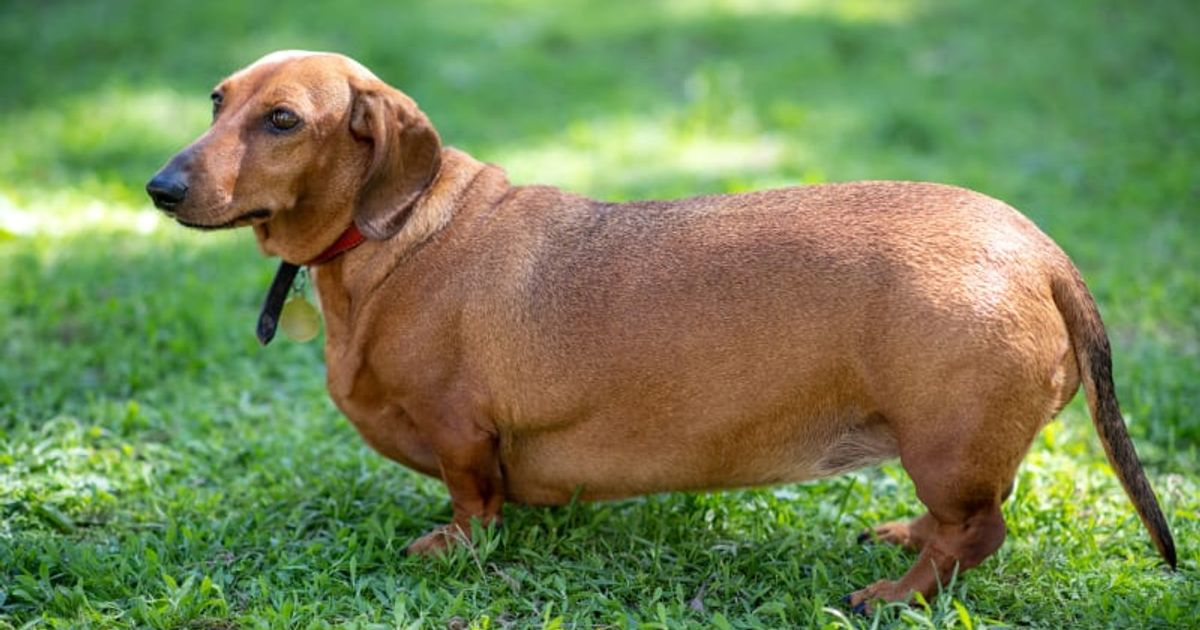
- No visible waist from above
- Belly hangs lower than normal
- Panting or tiring easily during walks
Still unsure? Most vets offer free monthly weight checks — especially in the U.S. and U.K. Use them!
🥗 Feeding Tips for Weight Management
The right diet is crucial to controlling your dog’s weight. Here's how:
- Stick to high-quality, vet-approved dog food
- Measure portions (don’t just eyeball it)
- Use treats sparingly — no more than 10% of daily intake
- Avoid feeding human snacks
💡 Tip: Try soaking kibble in warm water overnight to see how much it expands — it’ll help you visualize how filling it really is.
🏃♂️ Exercise Guidelines for a Healthier Pup
Daily activity helps your dog burn calories and build lean muscle. Tailor their exercise to:
- Breed: Working dogs need more intense workouts
- Age: Puppies and seniors need gentler routines
- Health: Consult a vet before intense changes
🦴 Example activities:
- 2x daily walks
- Fetch, tug-of-war, agility play
- Swimming (great for joint pain relief)
👨⚕️ Prevention Is Better Than Cure
The most effective way to avoid obesity? Healthy habits from the start. That means:
- No overfeeding, even when they beg
- Tracking treats and adjusting main meals
- Staying active together — it's bonding time too
As a dog owner, you’re in control of their weight and health.
🐶 Planning to Adopt a Dog?
Some breeds are more prone to weight gain than others. If you’re thinking about bringing a puppy into your home, work with reputable breeders who can advise on feeding routines and health predispositions.
🧡 You can browse healthy puppies from trusted breeders on PetClassify.com.
❓ Frequently Asked Questions
What causes obesity in dogs?
Overfeeding, too many treats, lack of exercise, and misunderstanding food portions are the main culprits.
How do I know if my dog is overweight?
Difficulty feeling ribs, lack of a waistline, and tiring quickly during walks are common signs.
Can I help my dog lose weight with exercise alone?
No — proper diet and consistent activity are both essential for healthy weight loss.
Are some breeds more prone to obesity?
Yes, breeds like Labradors, Beagles, and Bulldogs tend to gain weight more easily.
What’s a safe weight loss plan for dogs?
Gradual portion control, fewer treats, and increased exercise — always with vet supervision.