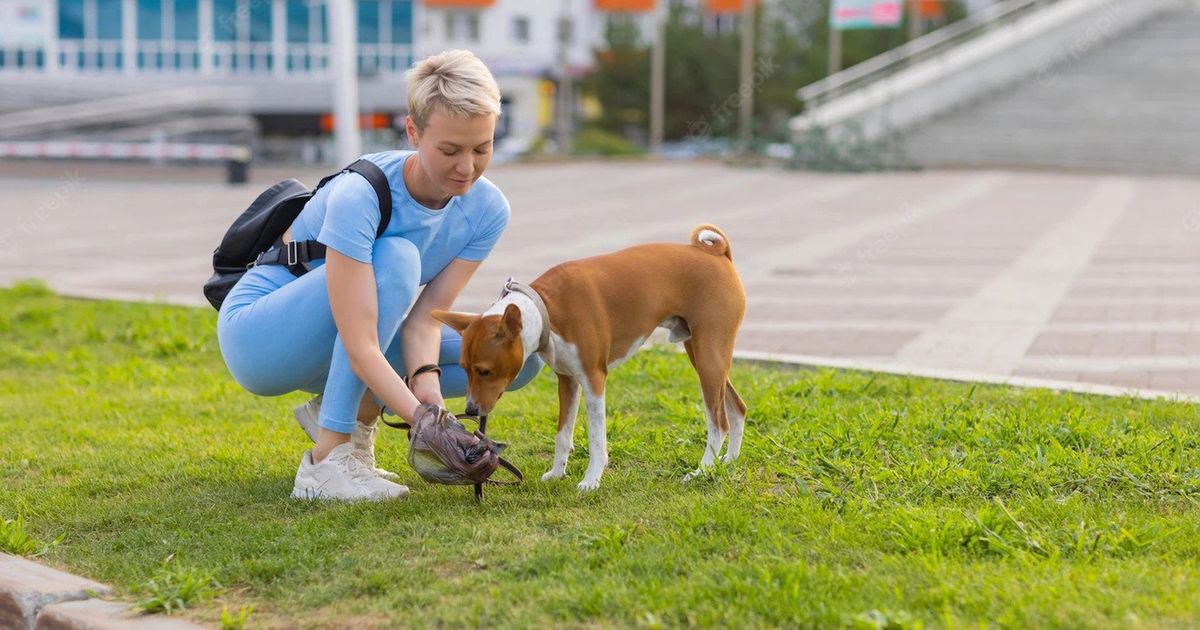
Is Your Dog Eating Feces? Why It Is Dangerous And How To Stop It
Seeing your dog eat feces is unpleasant and worrying, but it is more common than most owners think. The behaviour is called coprophagia, and while many dogs try it at some point, it can also be dangerous. This guide explains the most common reasons dogs eat feces, why it can be risky, and what you can do to stop it safely.
Why Do Dogs Eat Feces?
There are several reasons why a dog might start this behaviour.
Normal puppy behaviour:
Puppies explore everything with their mouth. Some will taste feces simply out of curiosity.
Learned from the mother:
Mother dogs clean up after very young pups. Some puppies copy this behaviour.
Boredom or lack of stimulation:
Dogs without enough activity or enrichment may develop strange habits such as poop eating, excessive chewing, or digging.
Attention seeking:
If your dog gets a big reaction every time they eat feces, they may continue because it gets your attention.
Diet or digestive problems:
Poor quality diet, nutrient malabsorption, parasites, or digestive issues can sometimes trigger coprophagia. If your dog suddenly develops this habit, you should speak to your vet.
Stress or anxiety:
Changes at home, punishment based toilet training, or uncertainty can push some dogs to repeat odd behaviours.
Why Is Eating Feces Dangerous?
While the behaviour is common, it can also be unsafe.
- Feces may contain parasites such as worm eggs.
- Bacteria like E. coli or Salmonella can cause stomach problems.
- Some animal feces contain medication residues or toxins.
- Foreign objects in feces can irritate or harm the digestive system.
Because of these risks, it is important to work on stopping the behaviour quickly.
When To See A Vet
You should speak to your vet if the behaviour starts suddenly, gets worse, or comes with symptoms like vomiting, diarrhoea, weight loss, or a change in appetite. Your vet may check for parasites, run stool tests, or advise on diet.
How To Stop Your Dog Eating Feces
Stopping the behaviour involves management and training.
Manage the environment:
Pick up stools immediately. Keep your dog on a lead outdoors if needed. Use a basket muzzle when necessary. Keep cat litter trays out of reach.
Teach leave it and recall:
Practise leave it with treats and toys before using it around real-life temptations. Reward your dog every time they choose to ignore something on the ground.
Provide enrichment:
Offer puzzle toys, training games, scent work, and longer interaction sessions to keep your dog mentally and physically satisfied.
Review diet:
Feed a complete, balanced diet suitable for your dog’s age and size. Split meals into two or more portions to reduce hunger. Your vet may suggest diet changes if there is a medical reason.
Consider taste deterrents:
Some supplements make your dog’s stools less appealing, but they only work when combined with training and management.
What Not To Do
Do not punish your dog or rub their nose in feces. This increases stress and often makes the behaviour worse. Focus on prevention, management, and positive reinforcement.
❓ Frequently Asked Questions
Is it normal for puppies to eat feces?
Yes, it is common in puppies, especially when they are exploring the world. However, it is still important to manage the environment and teach better habits so it does not continue into adulthood.
Can my dog get sick from eating feces?
Yes. They can catch parasites, pick up harmful bacteria, or ingest remains of medication. Even if your dog seems fine afterwards, there is always some risk.
Do home remedies like pineapple stop poop eating?
There is not strong evidence that pineapple or similar tricks always work. Some owners see a small improvement, others see none. Training, management, and checking health are much more reliable.
Will my dog grow out of eating feces?
Some puppies stop as they mature, but many keep the habit if nothing changes. It is better to actively work on it rather than waiting.
Is my dog doing this because I am a bad owner?
No. Coprophagia is a common issue and not a sign that you are failing your dog. By noticing it, managing it, and seeking help if needed, you are already doing the right thing.